Claims Process and Documentation Tips
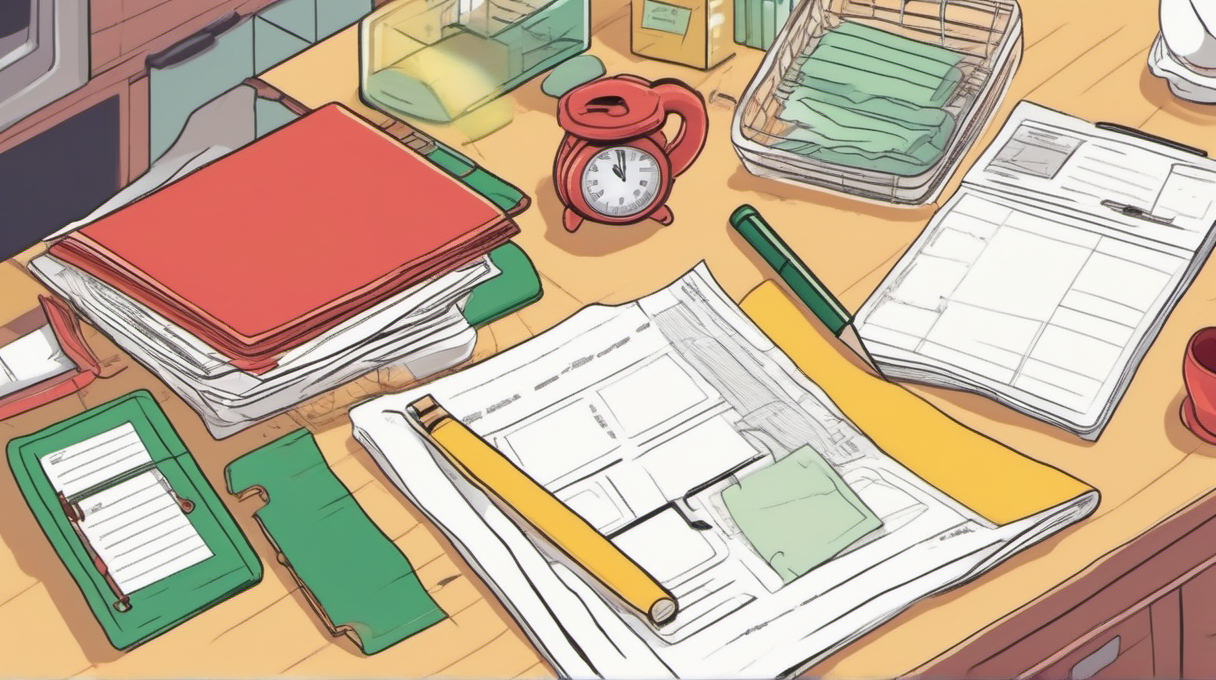
Filing an insurance claim correctly and promptly can significantly affect how quickly you receive payment and whether your claim is approved at full value. Each type of insurance has specific documentation requirements and processing procedures. Understanding these requirements before you need to file allows you to gather documentation proactively and avoid delays during already stressful situations.
Life Insurance Claims
Life insurance claims are filed by beneficiaries after the insured's death. The process is generally straightforward but requires specific documentation.
Required Documentation
-
Certified Death Certificate: Most insurers require an original or certified copy, not a photocopy. Order multiple certified copies from the vital records office (typically $15-25 each) as other institutions will also require them.
-
Claim Form: The insurance company provides this form, also called a "claimant's statement." It requests information about the deceased, the beneficiary, and the circumstances of death.
-
Policy Document: While not always required (the insurer has the policy on file), having the policy number expedites processing. If the original policy is lost, claims can still proceed.
-
Beneficiary Identification: Government-issued photo ID and proof of relationship or identity matching the beneficiary designation.
-
Additional Documentation (in certain circumstances):
- Autopsy report (if death occurred within two years of policy issue or under suspicious circumstances)
- Police report (for accidental death or homicide)
- Medical records (if the contestability period applies)
Timeline
- Initial claim submission: 1-2 weeks after death (once death certificate is available)
- Insurer review: 30-60 days for straightforward claims
- Payment: Within 30 days of claim approval in most states (some states require faster payment)
Contestability Period If the insured dies within the first two years of policy issue (the "contestability period"), the insurer may investigate the application for material misrepresentation. This can extend processing time to 60-90 days or longer.
Disability Insurance Claims
Disability claims require ongoing documentation to establish initial eligibility and continued disability.
Required Documentation
-
Claimant's Statement: Form provided by the insurer describing your occupation, duties, symptoms, and how the disability prevents you from working.
-
Attending Physician's Statement (APS): Your treating physician completes this form detailing your diagnosis, treatment plan, functional limitations, and prognosis. Some insurers require this from multiple providers.
-
Employer Verification: Your employer confirms your job title, duties, earnings, and last day worked. For self-employed individuals, tax returns and business records serve this purpose.
-
Medical Records: Office visit notes, test results, imaging studies, and hospital records supporting the disability claim. The insurer will request authorization to obtain these directly.
-
Earnings Documentation: Pay stubs, W-2s, or tax returns (for self-employed) to verify the benefit calculation.
Timeline
- Elimination period: 30-180 days (depending on policy) before benefits begin
- Initial claim decision: 30-45 days after elimination period ends
- Ongoing benefits: Monthly or bi-weekly payments once approved
- Periodic reviews: Every 3-12 months depending on condition and policy terms
Own-Occupation vs. Any-Occupation
- "Own-occupation" policies pay if you cannot perform your specific job duties
- "Any-occupation" policies pay only if you cannot perform any job for which you are reasonably suited
- Some policies are own-occupation for 2-5 years, then switch to any-occupation
Documentation should focus on demonstrating inability to perform specific job duties for own-occupation claims, or inability to perform any gainful employment for any-occupation claims.
Property Insurance Claims
Property claims (homeowners, renters, auto) require documenting the loss and its value.
Required Documentation for Home/Property Claims
-
Proof of Loss Form: Formal sworn statement describing the loss, damaged property, and claimed amount. Usually required within 60-90 days of the loss.
-
Photos and Videos: Document damage immediately, before any repairs or cleanup. Include wide shots showing overall damage and close-ups of specific items.
-
Inventory of Damaged/Stolen Items: List each item with description, approximate age, original purchase price, and estimated replacement cost.
-
Receipts and Proof of Ownership: Original receipts, credit card statements, photos showing items in your home, warranty cards, or appraisals for valuable items.
-
Police Report: Required for theft, vandalism, and certain other losses. File within 24-48 hours of discovering the loss.
-
Contractor Estimates: Obtain 2-3 written repair estimates for structural damage. Do not authorize repairs until the adjuster has inspected.
-
Additional Living Expense Records: If displaced from your home, keep receipts for hotel, restaurant meals, and other increased living costs.
Timeline for Property Claims
- Report claim: Within 24-72 hours of loss (check policy for specific requirements)
- Adjuster inspection: 3-10 business days after claim filing
- Initial payment (emergency repairs): May be issued within days for covered losses
- Final settlement: 30-60 days for straightforward claims; complex claims may take 90+ days
Auto Insurance Claims
Auto claims follow similar documentation principles but have unique elements.
Required Documentation
-
Police Report: Required for accidents involving injury, significant damage, or disputes about fault. Many states require reports for damage exceeding certain thresholds ($500-$2,500 depending on state).
-
Photos of Damage: All vehicles involved, from multiple angles. Include photos of the accident scene, road conditions, and any contributing factors.
-
Other Driver Information: Name, contact information, insurance company, policy number, driver's license number, and license plate.
-
Witness Information: Names and contact information of any witnesses.
-
Medical Records: If injuries occurred, documentation from emergency room, primary care, specialists, and any ongoing treatment.
-
Repair Estimates: The insurer will arrange an inspection, but you may obtain independent estimates for comparison.
Timeline
- Report claim: Within 24-48 hours of accident
- Vehicle inspection: 3-7 business days
- Repair authorization: 1-3 business days after inspection
- Payment: Direct payment to repair shop, or payment to you if vehicle is totaled
Worked Example: Filing a $250,000 Life Insurance Claim
Situation James, age 55, passed away unexpectedly from a heart attack. His wife, Patricia, is the primary beneficiary of his $250,000 term life insurance policy with Reliable Life Insurance Company. The policy was purchased 8 years ago, well past the contestability period.
Step-by-Step Process
Week 1: Immediate Actions
- Day 1-2: Patricia contacts Reliable Life's claims department at the number on the policy. She receives a claim number and the claims representative emails her the claim forms.
- Day 3-4: Patricia visits the county vital records office and orders 10 certified death certificates ($20 each = $200 total). Certificates will be ready in 5-7 business days.
- Day 5-7: Patricia gathers James's policy documents and locates his most recent annual statement showing the policy number and death benefit amount.
Week 2: Documentation Assembly
-
Day 8: Death certificates arrive. Patricia completes the claimant's statement form with the following information:
- Policy number
- Insured's full legal name, date of birth, Social Security number
- Date, place, and cause of death
- Beneficiary's full legal name, Social Security number, date of birth
- Beneficiary's relationship to insured
- Preferred payment method (lump sum vs. installments)
- Bank account information for direct deposit
-
Day 9: Patricia makes copies of all documents for her records and prepares the submission package:
- Completed claimant's statement
- Certified death certificate (original)
- Copy of her driver's license
- Copy of her Social Security card
- Copy of the policy declarations page
-
Day 10: Patricia sends the package via certified mail with return receipt requested to document delivery. Alternatively, she could upload documents through the insurer's online portal if available.
Weeks 3-6: Processing
- Day 15: Patricia receives acknowledgment from Reliable Life confirming receipt of her claim.
- Day 20: Claims examiner reviews the file. Because the policy was past the contestability period and the death certificate shows a natural cause (heart attack), no additional investigation is required.
- Day 35: Patricia receives a call from the claims representative indicating the claim is approved.
Week 7: Payment
- Day 42: Patricia receives a direct deposit of $250,000 into her bank account.
- Day 45: Patricia receives a formal letter confirming the claim payment and closing the file.
Total Time from Death to Payment: 42 days
Costs Incurred
| Item | Cost |
|---|---|
| Certified death certificates (10) | $200 |
| Certified mail with return receipt | $8 |
| Photocopies | $5 |
| Total | $213 |
Tax Treatment The $250,000 death benefit is not subject to federal income tax when received by the beneficiary. Patricia reports nothing on her income tax return related to this payment.
If Complications Arose
- If the death had occurred within 2 years of policy issue, Reliable Life might have requested medical records from James's doctors to verify no material misrepresentation on the application. This could extend processing by 30-60 days.
- If Patricia had been unable to locate the policy, she could have contacted Reliable Life directly or used the NAIC Life Insurance Policy Locator service.
- If the cause of death suggested suicide (which most policies exclude in the first 2 years), additional investigation would be required.
General Documentation Best Practices
Before a Claim Occurs
- Maintain a home inventory with photos, videos, and receipts
- Store important documents (policies, certificates, receipts) in a fireproof safe or secure cloud storage
- Know your policy numbers and claims phone numbers
- Keep policies accessible to family members or executors
When Filing a Claim
- Report claims promptly (within 24-72 hours when possible)
- Document everything in writing, including phone conversations (note date, time, representative name, and discussion summary)
- Keep copies of all submitted documents
- Use certified mail or electronic submission with confirmation
- Follow up if you don't receive acknowledgment within 10-14 days
During the Claims Process
- Respond promptly to requests for additional information
- Do not sign releases broader than necessary
- Keep records of all expenses related to the claim
- Contact your state insurance department if the insurer is unresponsive or unreasonably delays payment
Insurance Claims Checklist
Life Insurance Claims
- Obtain multiple certified death certificates (recommend 8-10 copies)
- Locate policy documents or contact insurer for policy number
- Request claim forms from insurance company
- Complete claimant's statement with required information
- Gather beneficiary identification documents
- Submit claim package via trackable method
- Retain copies of all submitted documents
- Follow up if no acknowledgment within 14 days
Disability Insurance Claims
- Notify employer and insurer as soon as disability begins
- Complete claimant's statement describing job duties and limitations
- Coordinate with treating physicians to complete Attending Physician's Statement
- Authorize medical record release
- Provide earnings documentation (pay stubs, W-2s, tax returns)
- Track elimination period end date
- Maintain ongoing medical treatment and documentation
- Respond promptly to periodic review requests
Property Insurance Claims
- Document damage with photos and video immediately
- File police report if required (theft, vandalism, certain damage types)
- Contact insurer within 24-72 hours of loss
- Protect property from further damage (temporary repairs)
- Create detailed inventory of damaged or lost items
- Gather receipts, photos, and other proof of ownership
- Obtain repair estimates (do not authorize major repairs before adjuster inspection)
- Complete and submit Proof of Loss form within required timeframe
- Keep receipts for additional living expenses if displaced
- Review settlement offer carefully before accepting
Related Articles

Buy-Sell Agreements Funded with Insurance
Understanding cross-purchase, entity redemption, and hybrid structures for buy-sell agreements, including valuation methods and insurance funding.

Disability Income Insurance Basics
Learn how disability income insurance protects your earning power, including benefit amounts, elimination periods, and occupation definitions.

Charitable Remainder and Lead Trusts
How split-interest charitable trusts provide income streams while generating tax deductions and benefiting charitable organizations.