Technical Analysis and Indicators
Technical analysis studies price patterns and trading volume to identify trends and potential turning points. Whether you're using moving averages, RSI, or chart patterns, these articles explain what each indicator actually measures and when it's useful — without pretending that any single signal is a crystal ball.

Support, Resistance, and Trendline Construction
Learn how to identify and draw support levels, resistance levels, and trendlines using objective criteria and specific price points.
Ichimoku Clouds Basics
Understand the five components of Ichimoku Cloud charts and how they combine to identify trend direction, support, and resistance levels.
Momentum Oscillators: RSI, Stochastics, and MACD
Detailed formulas and worked examples for three essential momentum indicators, including standard thresholds, divergence analysis, and practical limitations.

Volume Analysis and On-Balance Volume
How to interpret trading volume, calculate On-Balance Volume, and use volume-price relationships to assess the strength of price movements.

Seasonality and Cycle Studies
Seasonality—the tendency for markets to produce different returns at predictable calendar intervals—shows up in portfolios as buying into "favorable" months on autopilot, selling every May because a 200-year-old British saying told you to, and ignoring the current macro environment because "the p...

Risk Management for Chart-Based Trades
Position sizing formulas, R-multiple frameworks, and maximum drawdown rules help technical traders survive losing streaks while capturing gains from winning trades.

Combining Indicators Without Double Counting Signals
More indicators does not mean more confirmation. You stack RSI above 50, MACD positive, and Stochastic above 50 before entering a trade, and you believe you have three independent filters validating the setup. You don't. You have three momentum oscillators that move in lockstep roughly 85% of the...
Average True Range and Volatility Stops
Learn to measure volatility with ATR and set stops that adapt to market conditions, avoiding exits triggered by normal price noise.
Backtesting Basics for Retail Traders
Backtesting lets you test trading strategies on historical data before risking capital, but common pitfalls like overfitting and survivorship bias can make results misleading.
Chart Patterns: Triangles, Flags, and Pennants
Identify continuation patterns with defined entry points, measured move targets, and stop placement rules based on pattern geometry.

Point and Figure Charting Overview
Learn how point and figure charts filter out noise, define box sizes and reversal amounts, and generate price targets from pattern measurements.

Scanning Tools for Technical Setups
Learn how to use FinViz, TradingView, and TC2000 screeners to find stocks matching your technical criteria—without drowning in false positives.

Common Mistakes in Technical Analysis
Technical analysis fails most often from curve fitting historical data, confirmation bias in pattern recognition, and ignoring fundamental context that drives price movements.
Market Breadth Indicators to Watch
Learn how advance-decline lines, McClellan Oscillator, and new highs/lows reveal whether market rallies have broad participation or narrow leadership.
Breakout and Breakdown Confirmation Rules
Establish systematic rules for confirming breakouts and breakdowns to filter false signals and improve trade entry timing.
Fibonacci Retracements and Extensions
Apply Fibonacci ratios to identify potential support, resistance, and price targets using structured calculations rather than guesswork.
Moving Averages: SMA, EMA, and WMA Use Cases
A practical guide to calculating and applying simple, exponential, and weighted moving averages with specific formulas and trade-off analysis.
Glossary: Technical Indicator Terms
A reference glossary of 30 essential technical analysis terms covering indicators, chart patterns, and trading concepts for retail traders.
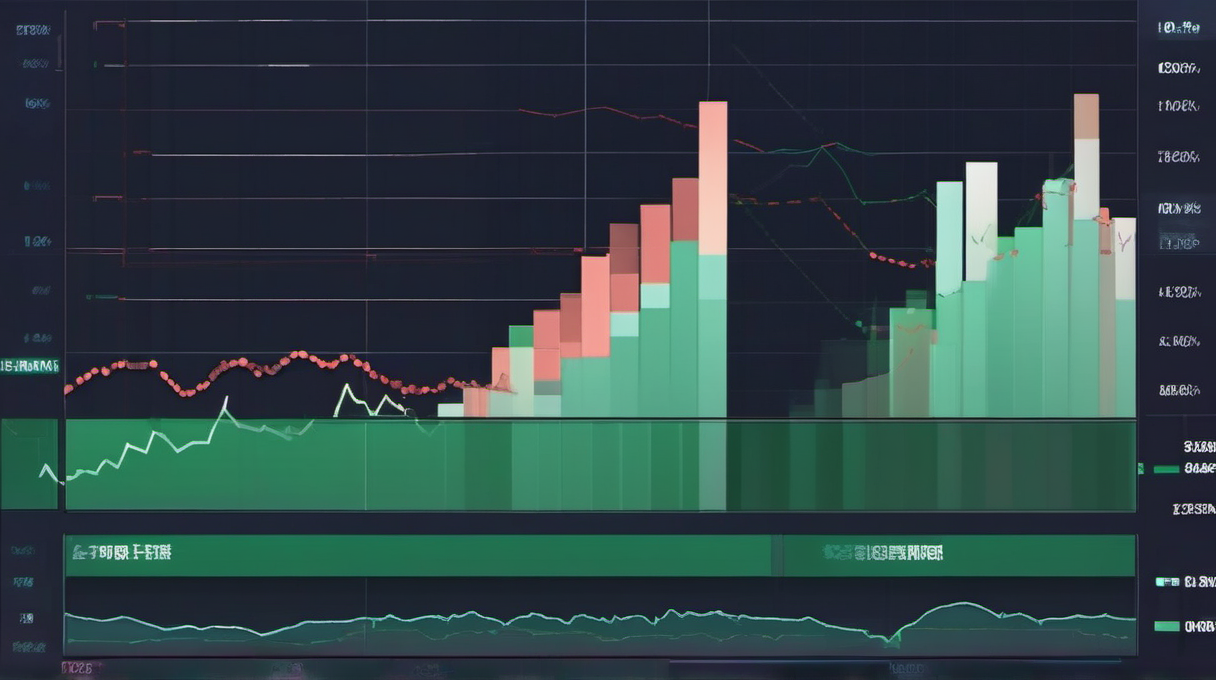
Candlestick, Bar, and Line Charts Compared
A detailed comparison of three foundational chart types used in technical analysis, covering their construction, information content, and practical applications.
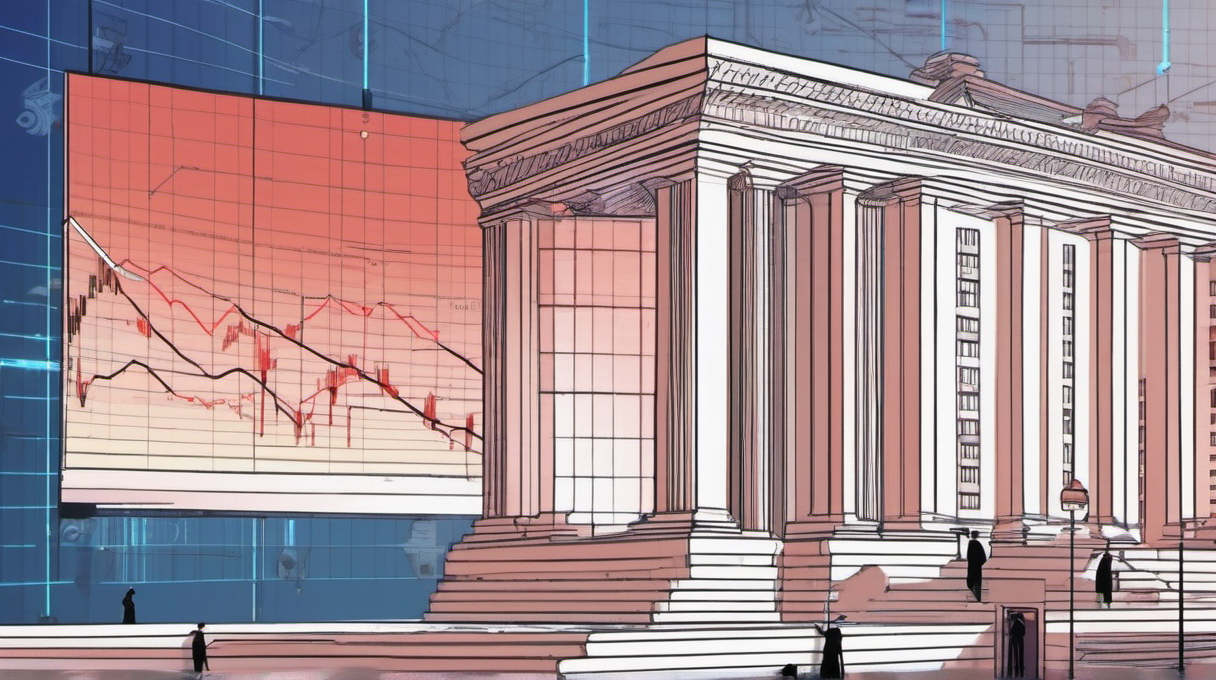
How Technical Signals Tie into Macro Context
Federal Reserve policy, earnings seasons, and economic cycle positioning significantly affect the reliability of technical breakouts, mean reversion signals, and momentum indicators.