Toolkits and Calculators
Sometimes you need to crunch the numbers yourself. These articles provide practical tools, calculators, and frameworks for common investing decisions — from compound interest projections and retirement savings calculators to risk assessment worksheets. Use them to model scenarios and make data-driven decisions.

Emergency Fund Calculator Instructions
Most investors treat emergency funds as an afterthought—a vague "I should have more savings" thought that never translates into a specific number. The result: 59% of Americans can't cover a $1,000 ...

Debt Paydown Snowball Calculator
Most people carrying multiple debts make the same mistake: they spread extra payments across every account, make minimal progress on each, and lose motivation within months. Research tracking 6,000...
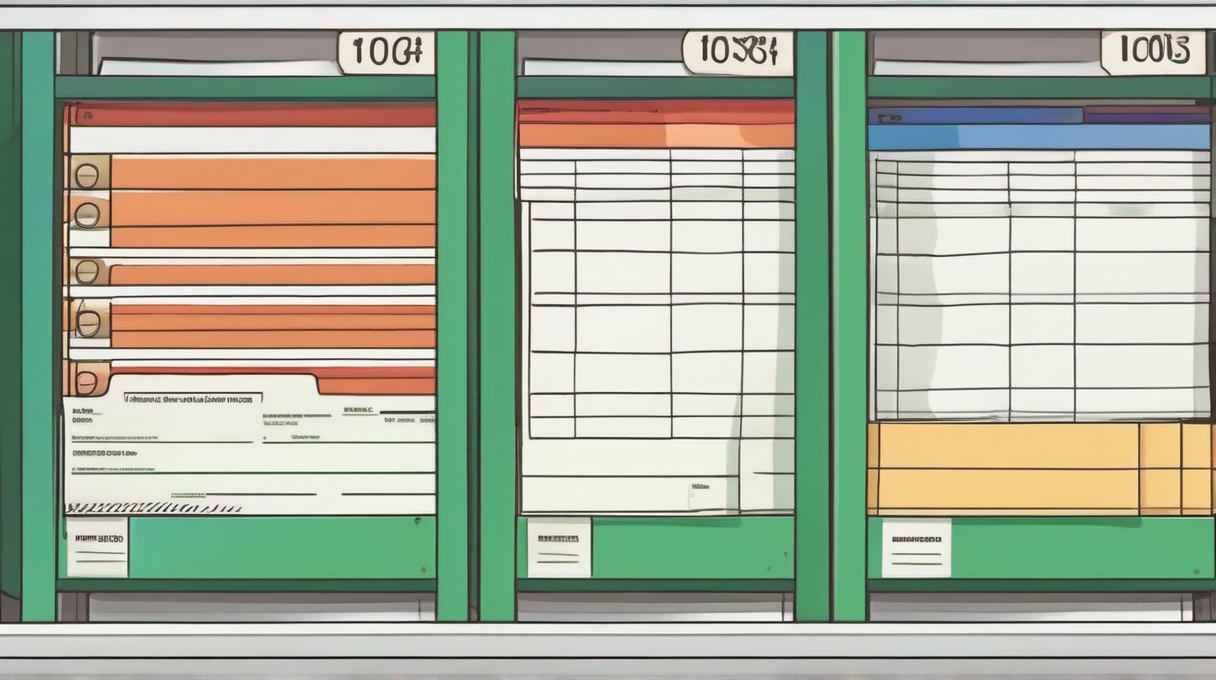
Document Organizer Checklist for Investors
Most investors spend hours researching which stocks to buy but zero hours organizing the records that prove what they paid, what they sold, and what they owe. The cost of that gap is real: the FTC ...

College Savings Goal Planner
Most families underestimate future college costs by 30-50%, then panic-save in the final years when compound growth can no longer help them. The historical data is stark: college tuition inflation ...

Asset Allocation Rebalancing Worksheet
Most investors set a target allocation once and never touch it again. The result: portfolios drift silently toward higher risk, and the correction comes at the worst possible time—during a drawdown...

Charitable Giving Bunching Calculator
Most taxpayers lost their charitable deduction in 2018. When the Tax Cuts and Jobs Act nearly doubled the standard deduction, the share of filers who itemize dropped from roughly 30% to about 10%. ...

Capital Gains Tax Estimator
Most investors know they owe taxes on investment profits, but few calculate the actual liability before selling. The result: unexpected tax bills, missed opportunities to harvest losses, and gains ...

Budgeting Spreadsheet Setup Guide
33% of consumers rarely or never have money left at the end of the month (CFPB 2025). Meanwhile, only 51% of adults reported spending less than their income in the prior month (Federal Reserve SHED...