Global Trade and Emerging Markets
Global trade connects economies and creates investment opportunities far beyond domestic borders. These articles explore how trade agreements, tariffs, and supply chains affect markets, how to evaluate emerging market investments, and why developing economies offer higher growth potential alongside unique risks like political instability and currency volatility.

Monitoring Import and Export Data Releases
Learn how to track US trade data releases, interpret monthly reports, avoid common pitfalls, and build a practical monitoring routine for investors.

Capital Controls and Repatriation Rules
Learn how capital controls affect emerging market investments, common restriction types, repatriation timing, and due diligence for EM exposure.
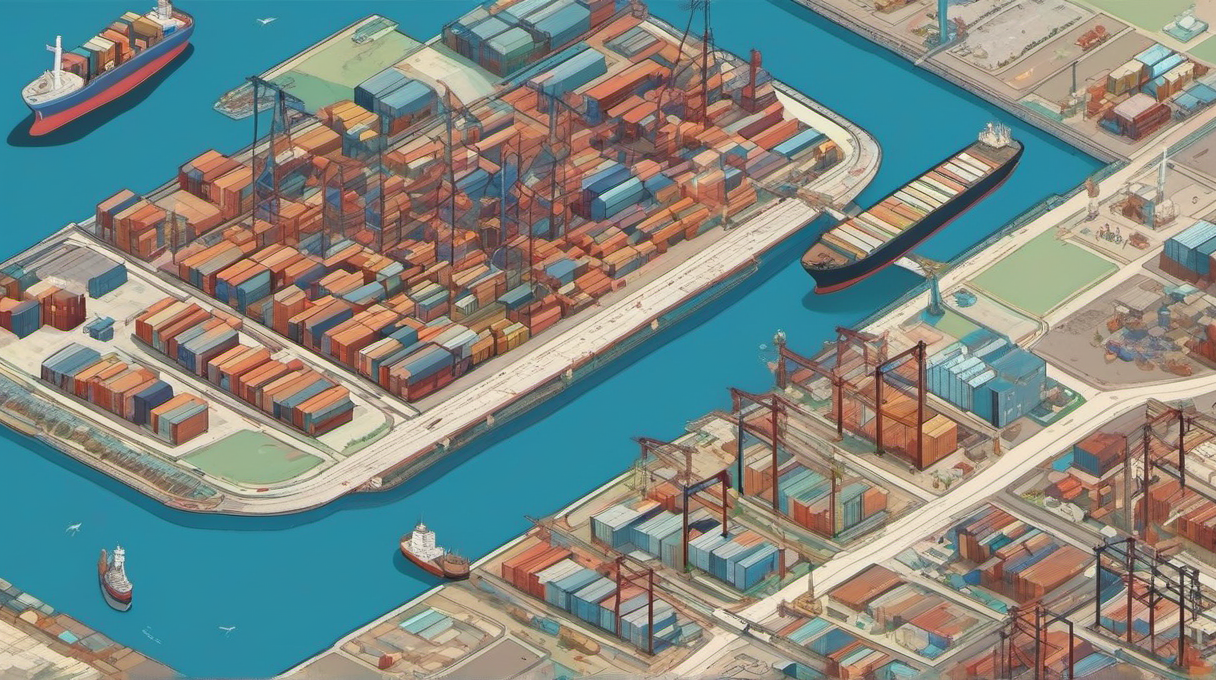
Nearshoring and Manufacturing Relocation
Explore how nearshoring is reshaping global supply chains, benefiting Mexico and Southeast Asia, and affecting key US industry sectors.
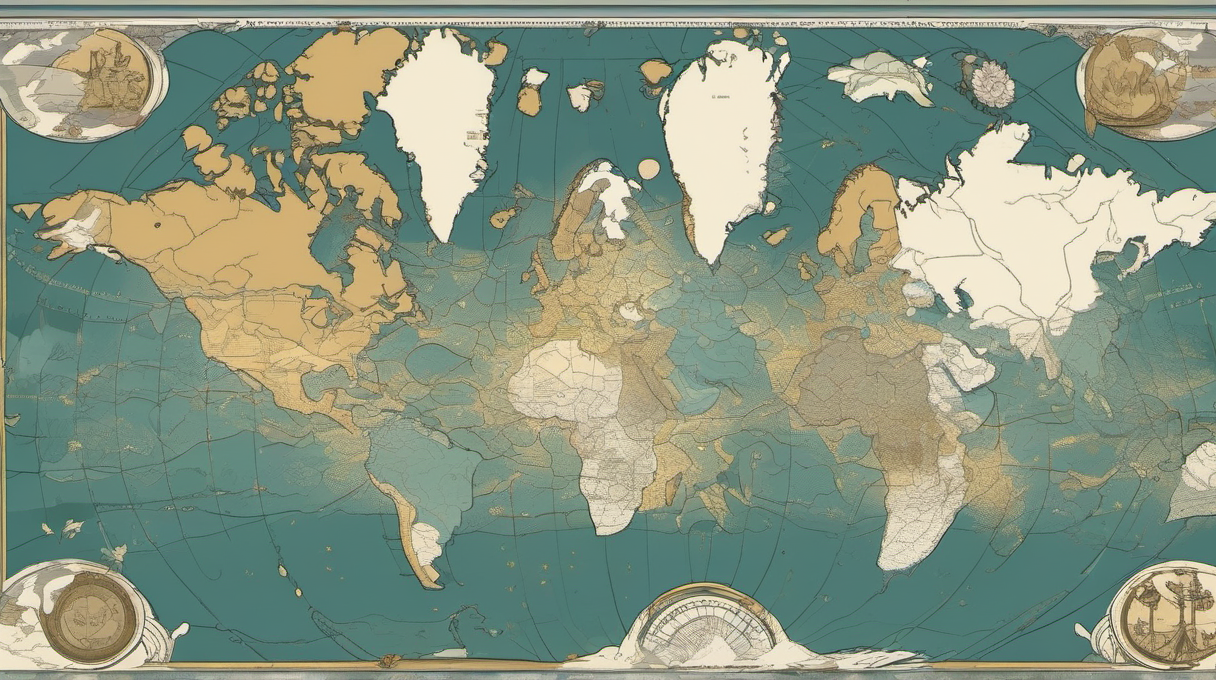
Currency Pegs vs. Floating Regimes
Compare fixed and floating exchange rate systems, understand reserve requirements, and identify devaluation risks for emerging market investing.

Political Risk Insurance Tools
Understand how political risk insurance protects investments abroad, covering expropriation, currency controls, and political violence.
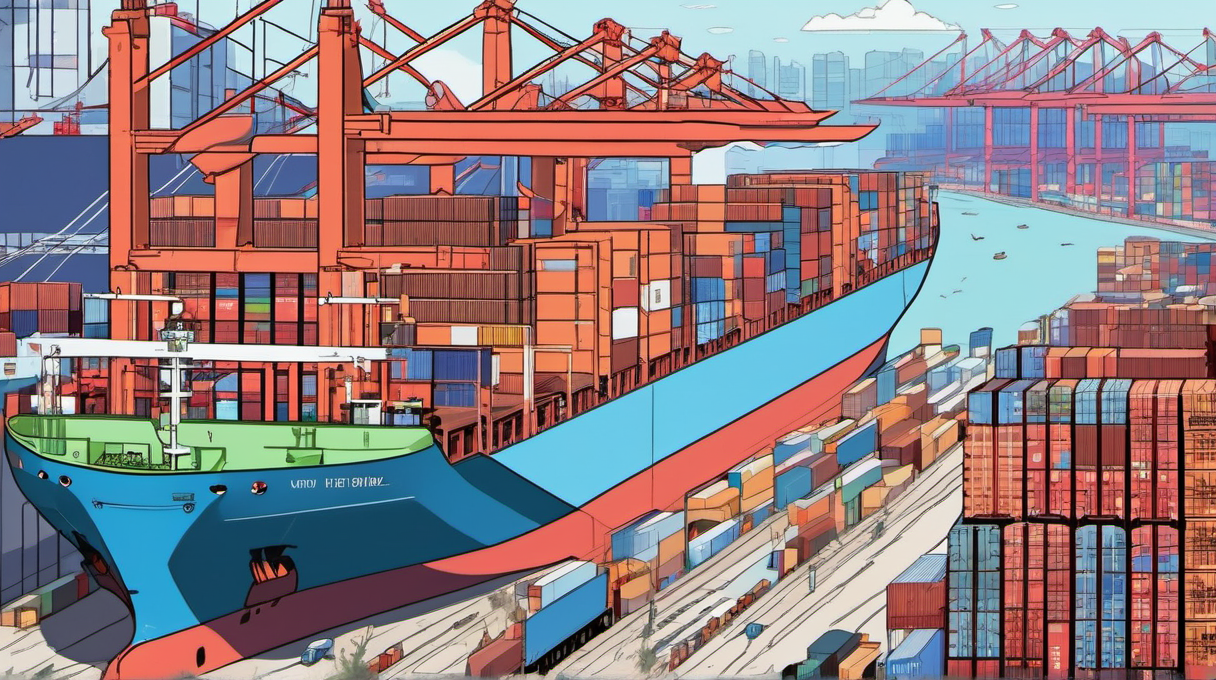
Global Logistics Bottlenecks
Learn to identify logistics bottlenecks using shipping rates, port congestion data, and key indicators that affect inflation and margins.
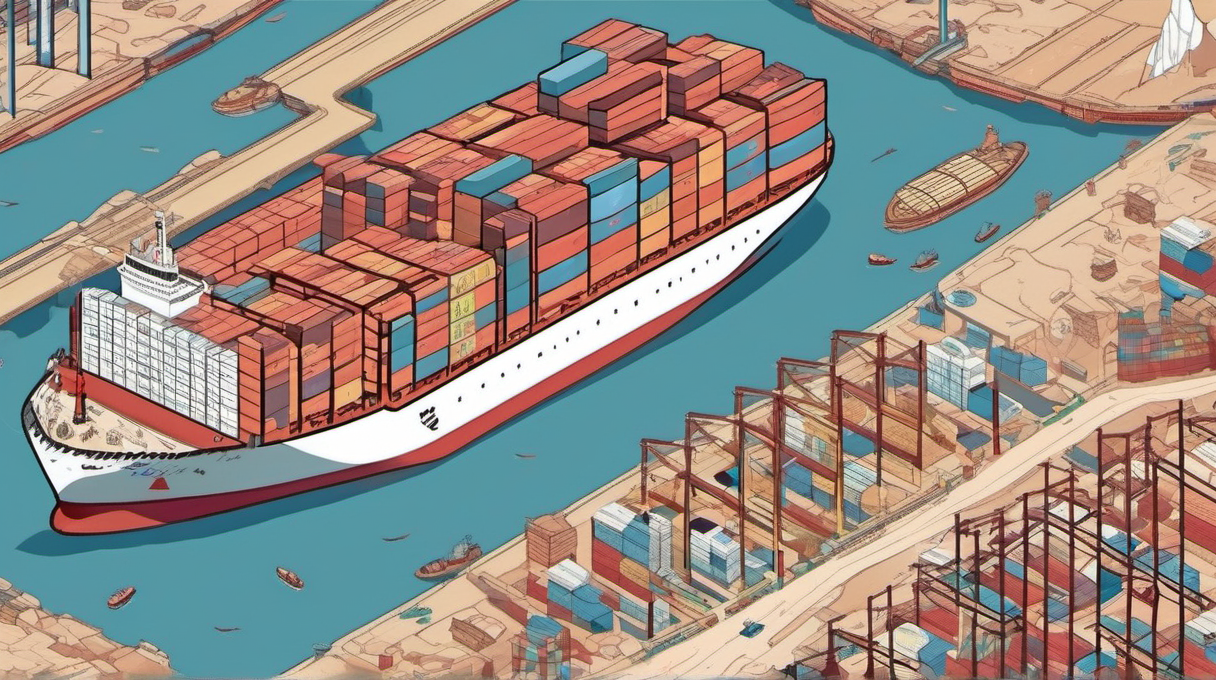
Supply Chain Shocks and Reshoring Trends
Understand how supply chain disruptions affect markets, what drives reshoring decisions, and how investors can monitor supply chain risk indicators.

Multinational Tax Changes and Trade
Understand how OECD global minimum tax rules affect corporate supply chains, investment decisions, and sector performance for US investors.
Glossary: Trade and Emerging Market Terms
A comprehensive glossary of 40 essential terms for understanding global trade, emerging markets, and international economics from a US investor perspective.

Foreign Direct Investment and US Policy
When a foreign company tries to buy an American semiconductor firm or build a factory near a military base, the transaction doesn't just move money across borders -- it triggers a national security apparatus that can kill the deal entirely, reshape its terms, or delay closing by months. In 2024 a...

Trade Financing and Letters of Credit
Understand how trade finance works, the letter of credit workflow, and what it means for analyzing companies with significant international trade exposure.

Case Studies: NAFTA and USMCA Impacts
Trade agreements don't just change tariff schedules -- they reshape entire industries over decades, redirecting hundreds of billions in capital flows, rewriting supply chain maps, and creating winners and losers that nobody predicted at signing. NAFTA's 30-year run turned North America into a $1....

Commodity Exporters vs Importers: Impact on the US
Learn how commodity-exporting and importing nations affect US markets, inflation, and sector performance through trade flows and currency dynamics.
US Trade Deficit Drivers and Trends
Understand what drives the US trade deficit, how goods and services balances differ, and what trends mean for investors tracking macro conditions.
Using Trade Data Dashboards
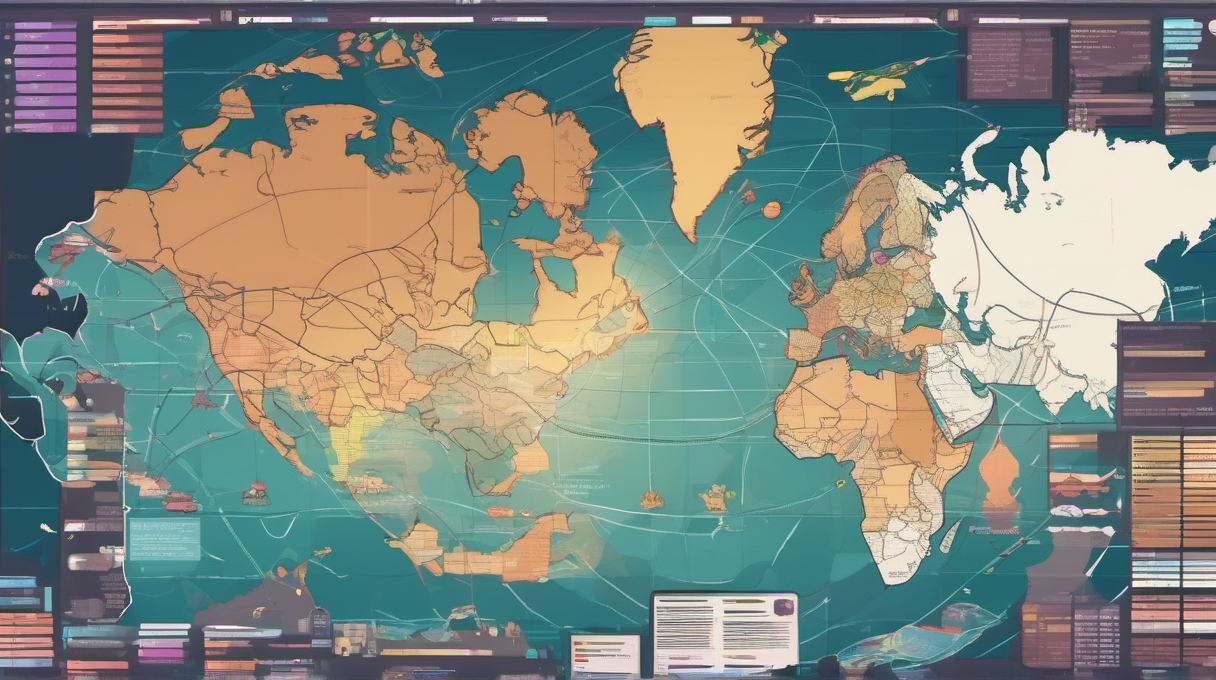
Learn how to build and use trade data dashboards to monitor imports, exports, and global trade flows that affect your investment portfolio.
Tracking WTO and Geopolitical Developments
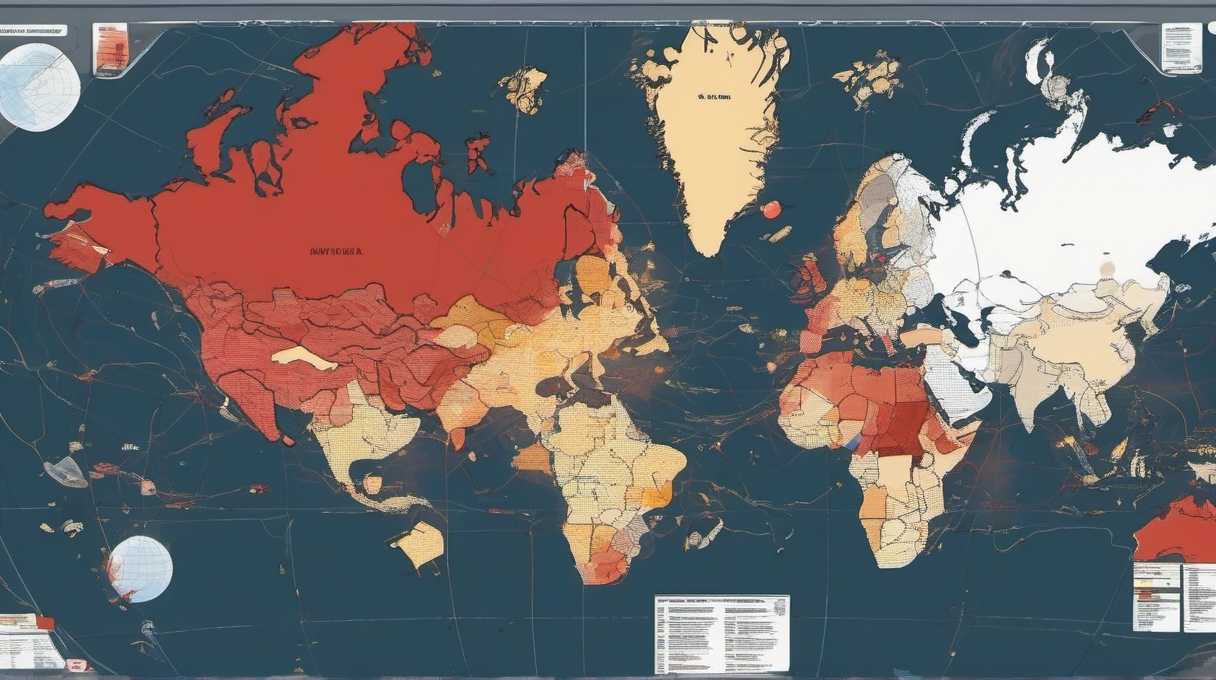
Build a systematic workflow for monitoring WTO disputes and geopolitical trade developments that may affect your investment portfolio.

Tariff Structures and Trade Agreements
Learn how tariffs work, the difference between ad valorem and specific rates, and how trade agreements shape sector-level trade flows for investors.

Emerging Market Debt vs. Equity Opportunities
Emerging market investing confronts you with a deceptively simple choice—bonds or stocks—that actually determines your currency exposure, your volatility budget, and whether you're betting on creditworthiness or earnings growth. The valuation gap tells a striking story: EM equities trade at rough...

Balance of Payments and Current Account Basics
Learn how the balance of payments framework tracks international transactions, why current account deficits matter, and what they signal for US investors.
Country Risk Assessment Framework
Country risk is the single biggest variable most emerging market investors underestimate—and the one that destroys portfolios fastest when it turns. Sri Lanka's 2022 default wiped out bondholders who ignored reserves dropping below $2 billion, fiscal deficits exceeding 10% of GDP, and a currency ...